“God is love” (1 John 4:8, 16). In biblical thought, love is therefore not simply one of God’s activities. It is fundamental to His nature.
God is love
The clearest statement occurs twice in 1 John 4:
Whoever does not love does not know God, because God is love.
— 1 John 4:8
And again:
God is love. Whoever lives in love lives in God, and God in them.
— 1 John 4:16
Notice the language. John does not say God sometimes behaves lovingly. He identifies love with the character of God.
That gives us a starting principle:
Love originates in God rather than being a human invention applied to God.
This is made explicit a few verses later:
We love because he first loved us.
— 1 John 4:19
So, biblically, human love is a response to and reflection of something that already exists in God.
The Bible defines God’s love through action
John immediately explains what he means by saying God is love:
This is how God showed his love among us: He sent his one and only Son into the world that we might live through him.
— 1 John 4:9
This connects directly with perhaps the best-known verse in Christianity:
For God so loved the world that he gave his one and only Son, that whoever believes in him shall not perish but have eternal life.
— John 3:16
The important word here is gave.
Biblical love is therefore not principally an emotion. It expresses itself through giving, sacrifice and seeking the good of another.
Jesus makes the same connection:
Greater love has no one than this: to lay down one’s life for one’s friends.
— John 15:13
So the Cross becomes Christianity’s ultimate demonstration of what the statement “God is love” actually means.
God’s love is not dependent upon our deserving it
A particularly powerful aspect of Christian theology is that God’s love comes before human worthiness.
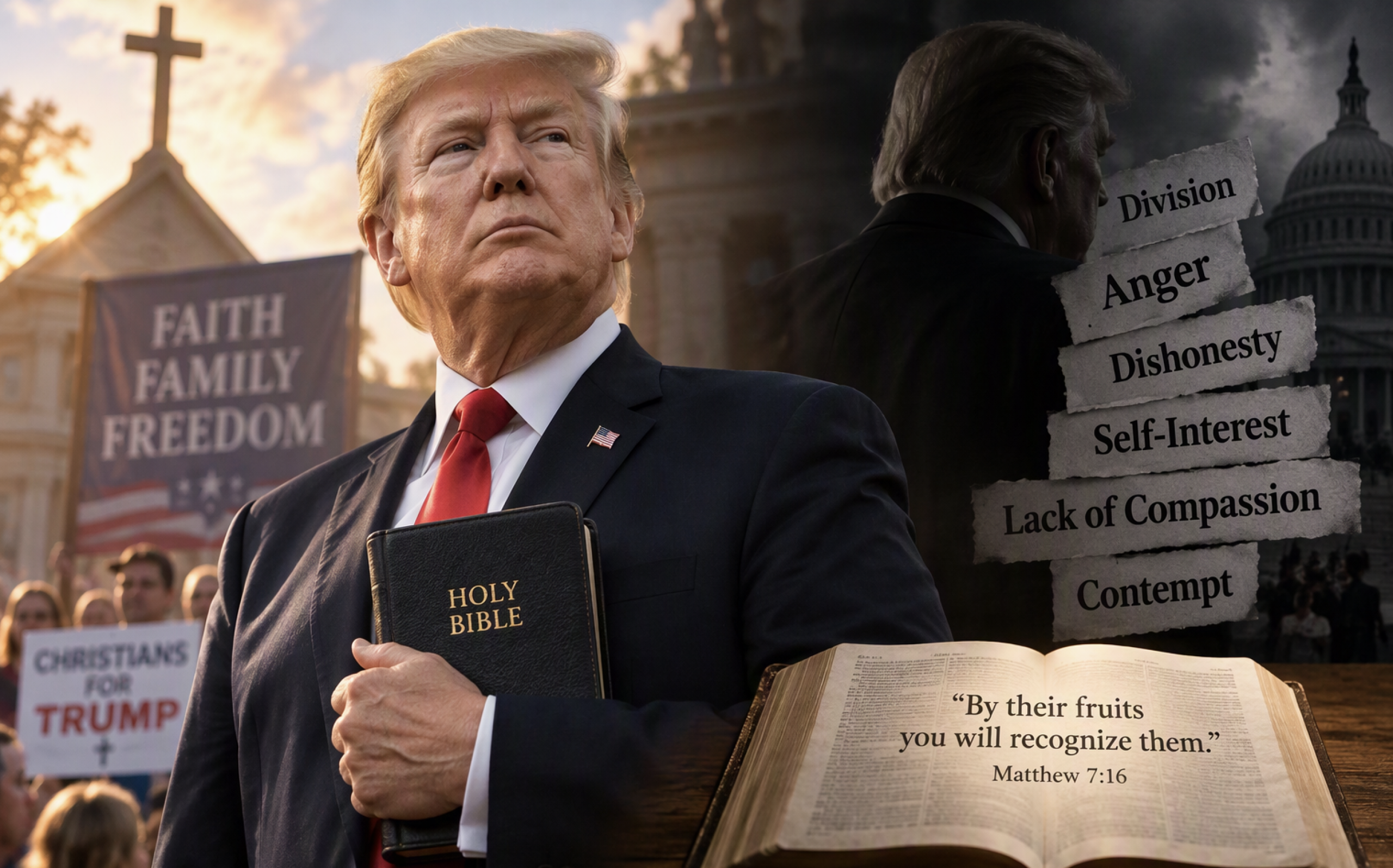
MAGA usurps God
To usurp God means to take divine power, authority, or worship by force, trickery, or pride.
Biblical and Theological Perspectives
- Satan’s Rebellion: In Christian theology, Satan is viewed as the primary usurper who sought to elevate himself above his Creator and claim worship, and who later usurped earthly dominion through human transgression.
- Idolatry and False Gods: Placing anything (such as money, power, or self-righteous judgment) above God is described as an attempt to steal His rightful place in the human heart.
The MAGA movement is frequently criticized by political opponents and civil rights organizations for rhetoric and policies that target specific demographic groups rather than just political structures.
Demographics Frequently Targeted by MAGA Rhetoric
- Undocumented Immigrants: A foundational pillar of the MAGA platform is strict border enforcement. Rhetoric from the movement often characterizes undocumented immigrants as a threat to public safety, jobs, and American culture, frequently linking them to crime and economic strain.
- The Transgender and LGBTQ+ Community: The movement heavily focuses on restricting gender-affirming care, banning transgender athletes from women’s sports, and removing LGBTQ+-themed books from schools, often framing these issues as a defense of traditional family values.
- Muslims and Specific Nationalities: In its early stages, the movement prominently featured a “Muslim travel ban” and restrictive immigration policies targeting specific nations, which critics argue normalized xenophobia against those populations.
- Political Dissidents and Activists: Protesters associated with movements like Black Lives Matter or various progressive causes are often broadly categorized by MAGA figures as radical, lawless, or anti-American.
Perspectives on the Movement’s Motivations
- Critics’ View: Civil rights groups, such as the Southern Poverty Law Center (SPLC) and the Anti-Defamation League (ADL), argue that MAGA rhetoric regularly crosses into white nationalism, xenophobia, and bigotry, deliberately scapegoating minority populations for political gain.
- Supporters’ View: Proponents of the MAGA movement reject the label of hate. They argue that their positions are rooted in patriotism, the rule of law (particularly regarding immigration), the protection of children, and the preservation of traditional American values against rapid cultural change.
 1